Child Death Investigations
A structured, legally defensible framework for responding to and managing child death investigations, with emphasis on scene security, documentation, abuse indicators, medical coordination, and courtroom considerations.
Major crimes | Death investigations | Interview strategy
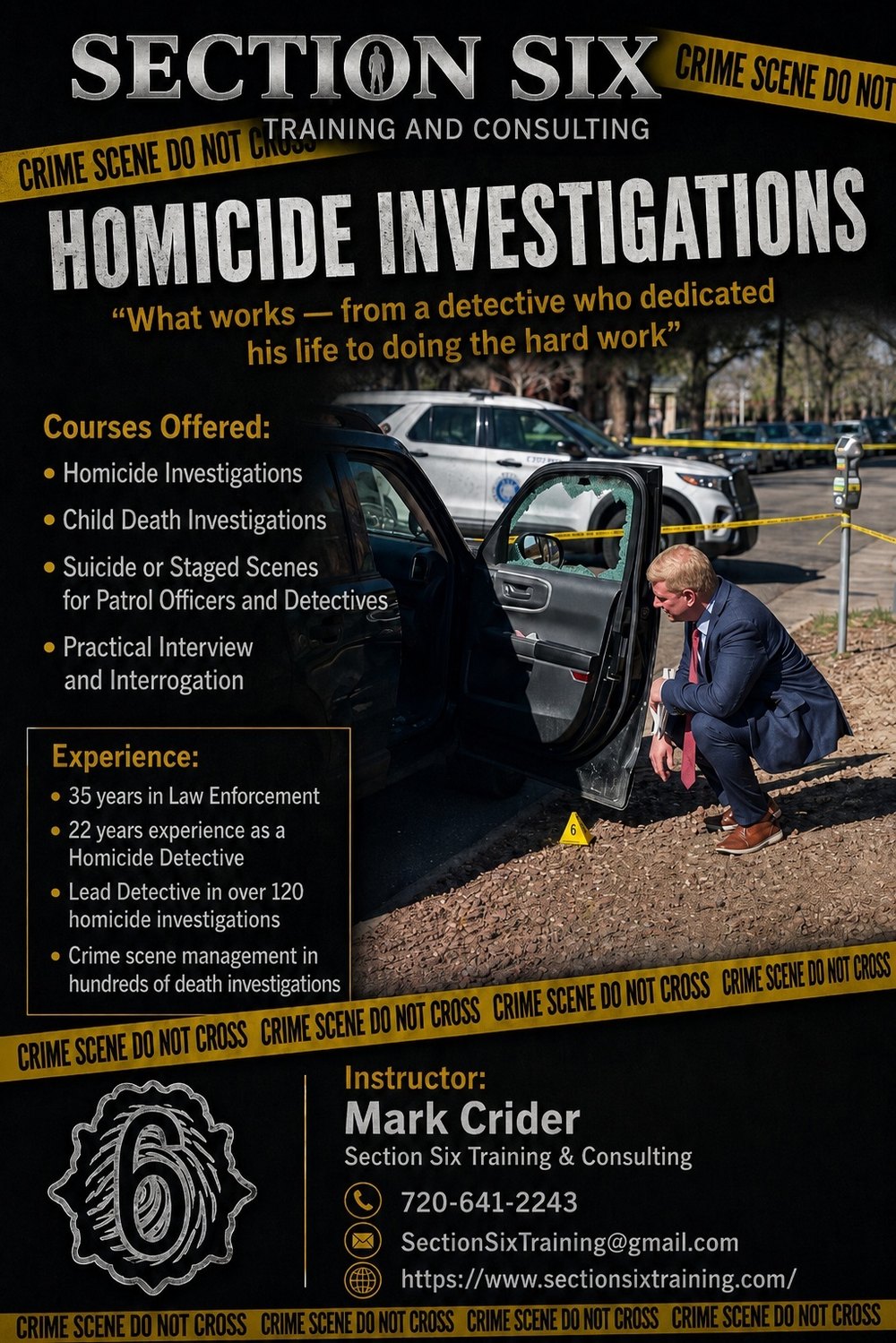
What works - from a detective who dedicated his life to doing the hard work.
Section Six Training & Consulting equips law enforcement professionals, investigators, and prosecutors with the skills, confidence, and disciplined methods required for thorough, ethical, and defensible investigations.
Upcoming Training
Current dates, locations, seat availability, and per-student tuition are maintained in the Section Six Training registration portal.
Registration and online payment are handled securely by Corsizio and Stripe.
Mission
Section Six Training & Consulting provides practical training and consulting that equips law enforcement professionals and investigators with the knowledge, skills, and confidence to conduct thorough, ethical, and defensible investigations.
Drawing from hundreds of real-world cases and decades of experience, the training emphasizes practical application, critical thinking, and proven methods professionals can immediately apply in the field.
Courses
Courses are built for patrol officers, detectives, investigators, crime scene personnel, prosecutors, and agencies responsible for high-liability death investigations.
A structured, legally defensible framework for responding to and managing child death investigations, with emphasis on scene security, documentation, abuse indicators, medical coordination, and courtroom considerations.
Develop a structured, evidence-based approach to death investigations from the initial response through prosecution. This course integrates crime scene reconstruction, forensic interpretation, investigative interviewing, and strategic case management to build stronger, legally defensible cases.
A disciplined approach to suicide and suspicious death investigations that keeps conclusions evidence-driven, protects case integrity, strengthens documentation, and identifies staged or misleading circumstances.
Field-tested interview and interrogation training focused on rapport, objectives, evidence-based questioning, deception awareness, Miranda considerations, eyewitness issues, corroboration, and false-confession safeguards.
Course Details
Review the instructional scope, course length, and practical outcomes for your agency.
Child death investigations represent some of the most complex, emotionally charged, and high-liability cases within the criminal justice system. The initial response and early investigative decisions often determine whether critical evidence is preserved, whether abuse is identified, and whether the case is successfully prosecuted.
This two-day course provides patrol officers, detectives, and prosecutors with a structured, legally defensible framework for responding to and managing child death investigations. Participants will learn how to properly secure and document scenes, identify subtle indicators of abuse or neglect, recognize accidental versus inflicted injury patterns, and conduct legally sound interviews with parents, caregivers, and medical personnel.
The course emphasizes multidisciplinary coordination with medical professionals, child protection services, forensic pathologists, and prosecuting attorneys. Through real case studies and investigative analysis, students will examine best practices, common investigative failures, and courtroom considerations that directly impact charging decisions and trial outcomes.
Section Six Training courses are built around practical investigative decision-making, real case experience, and immediately applicable techniques - not academic theory. Participants leave with tools they can implement on their very next investigation.
This intensive five-day Death Investigation course provides a structured, real-world framework for conducting thorough, objective, and legally defensible death investigations. Participants are guided through every phase of a case - from the initial patrol response and scene control to evidence recognition, crime scene reconstruction, search warrant preparation, digital evidence strategy, investigative interviewing, and final case preparation for prosecution.
A major emphasis is placed on crime scene reconstruction techniques, including bloodstain pattern recognition, bullet trajectory analysis, wound characteristics, and the interpretation of physical evidence to reconstruct events. Participants will also learn the investigative value of 911 call analysis, strategic interview and interrogation techniques, and behavioral evidence assessment to strengthen investigative decision-making and identify inconsistencies that may otherwise be overlooked.
Students develop the skills necessary to recognize staged or equivocal scenes, distinguish homicide from suicide indicators, avoid confirmation bias, and follow a repeatable investigative process that improves case clarity, investigative accuracy, and overall solvability.
Drawing from 35 years in law enforcement - including more than two decades investigating homicides - Detective Mark Crider incorporates lessons learned from serving as the lead investigator in over 120 homicide investigations, hundreds of suspicious death investigations, and thousands of witness, victim, and suspect interviews. Through real case studies, practical exercises, and strategic analysis, participants learn practical techniques that can be immediately applied in the field. The course is designed to strengthen investigative performance, improve documentation, increase prosecutorial confidence, reduce agency liability, and enhance clearance outcomes in major crimes investigations.
Section Six Training courses are built around practical investigative decision-making, real case experience, and immediately applicable techniques - not academic theory. Participants leave with tools they can implement on their very next investigation.
Every apparent suicide deserves to be investigated as an unexplained death until the evidence proves otherwise. Premature conclusions, incomplete documentation, and failure to recognize staged scenes can result in missed homicides, civil liability, and diminished public confidence.
This two-day course provides investigators and crime scene personnel with the skills, knowledge, and structured methodology required to conduct thorough, defensible suicide-related death investigations. Emphasis is placed on scene control, forensic awareness, crime scene reconstruction, medico-legal integration, and the recognition of staged or suspicious deaths.
Participants develop a systematic investigative framework that protects case integrity, strengthens documentation, and ensures conclusions are evidence-based rather than assumption-driven.
Section Six Training courses are built around practical investigative decision-making, real case experience, and immediately applicable techniques - not academic theory. Participants leave with tools they can implement on their very next investigation.
This three-day course is designed for patrol officers, detectives, and investigators seeking to strengthen their interview and interrogation skills while ensuring constitutional compliance and investigative integrity.
Drawing from real-world homicide and major case experience, this course moves beyond theory and focuses on practical, courtroom-defensible techniques that increase information yield, expose deception, and reduce investigative risk.
Participants will learn the critical distinctions between interviews and interrogations, develop structured objectives, and apply strategic questioning techniques rooted in behavioral analysis, evidence presentation, and cognitive interviewing principles.
Through case studies, scenario-based exercises, and instructor-led discussion, students will leave with practical tools that can be immediately applied in the field.
Section Six Training courses are built around practical investigative decision-making, real case experience, and immediately applicable techniques - not academic theory. Participants leave with tools they can implement on their very next investigation.
Instructor
Retired Denver Police Department Homicide Detective | International Instructor | Death Investigation Subject Matter Expert
Mark Crider brings 35 years of distinguished law enforcement experience to his work as an investigator, instructor, and consultant. His career began with honorable service in the U.S. Air Force Security Forces, followed by patrol service with the St. Petersburg Police Department and more than two decades as a Denver Police Department detective assigned primarily to homicide investigations.
As a lead investigator in more than 120 homicide cases, Mark also investigated hundreds of suspicious deaths, accidental deaths, suicides, overdoses, child death cases, and officer-involved critical incidents. He has testified hundreds of times in District Court and has been recognized as an expert witness in bloodstain pattern analysis and crime scene reconstruction.
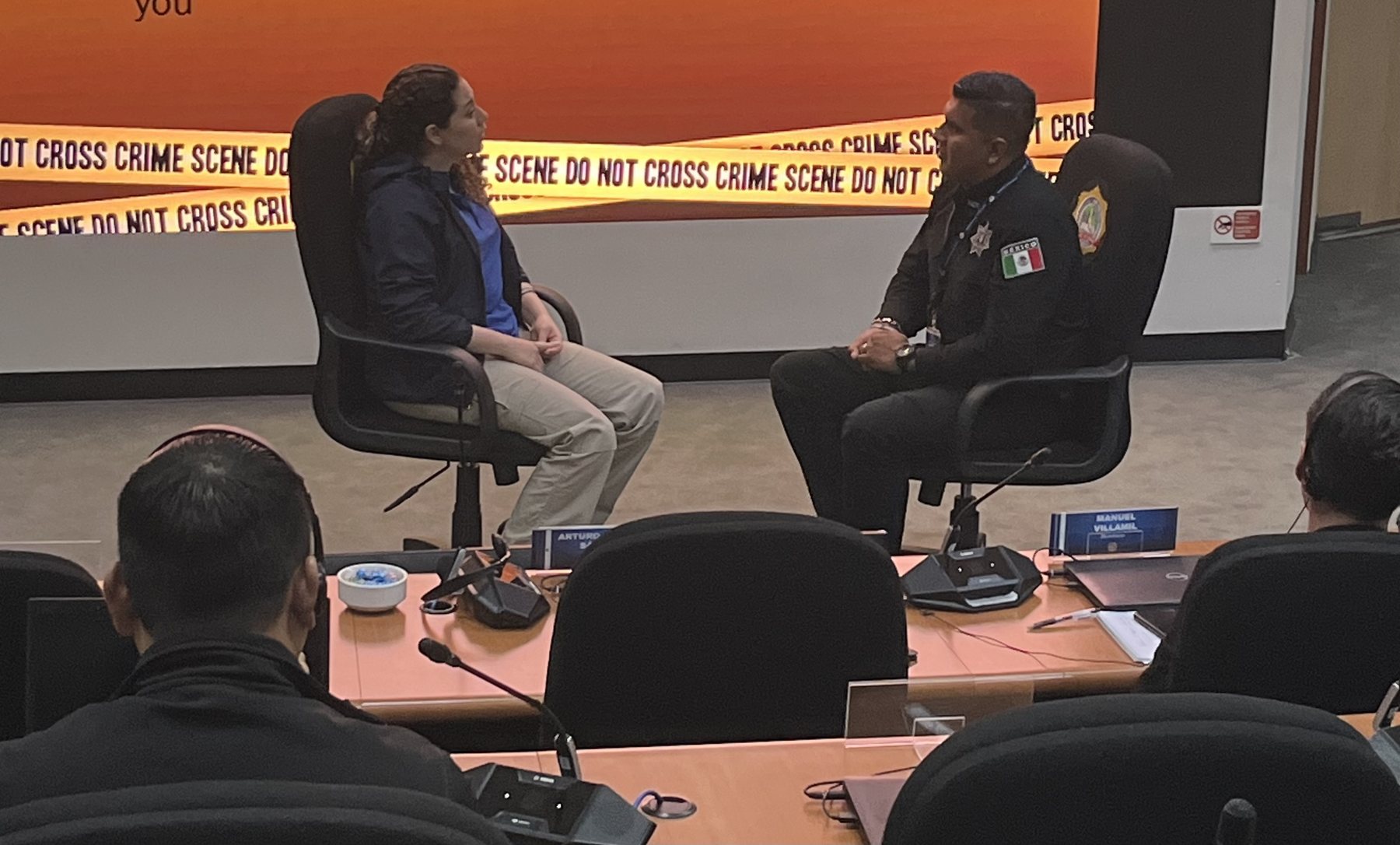
Since 2015, Mark has developed and taught death investigation, interview and interrogation, and investigator development courses. He has served as an international subject matter expert for the U.S. Department of State Bureau of International Narcotics and Law Enforcement Affairs, delivering homicide investigation training in Vietnam and advanced homicide investigation training for law enforcement professionals from Central and South America.
Field And Classroom
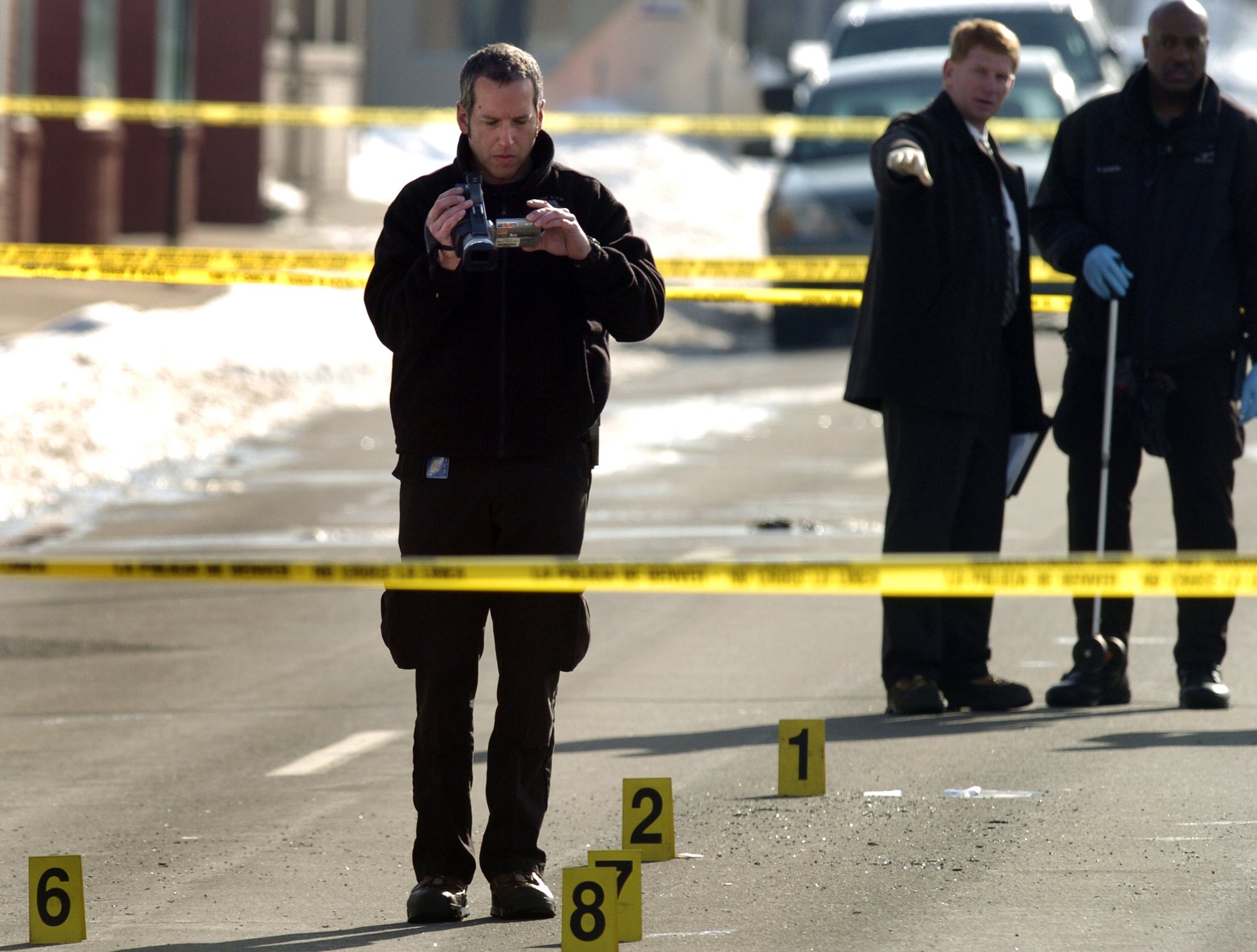
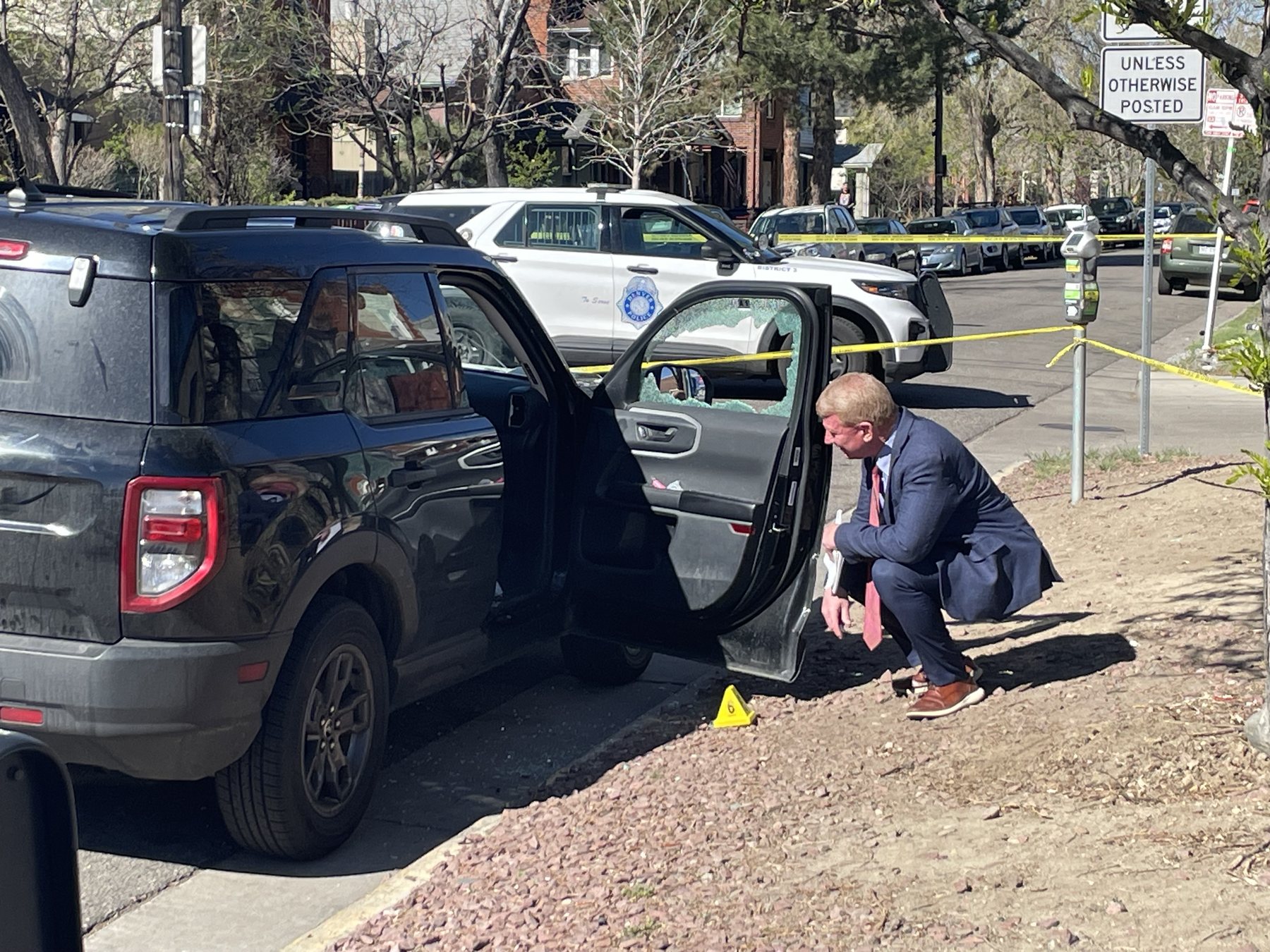
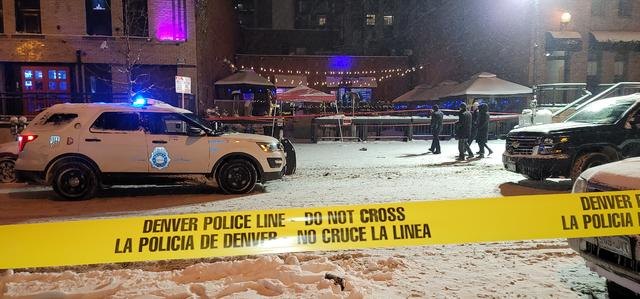
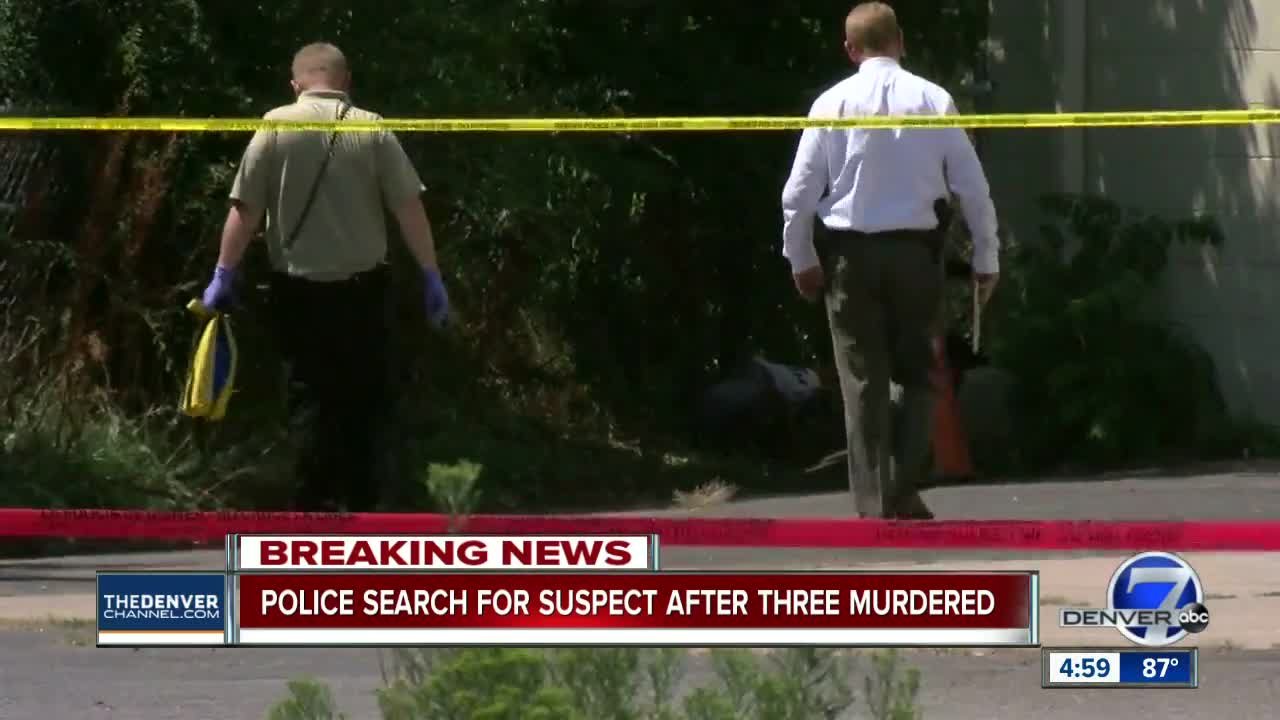
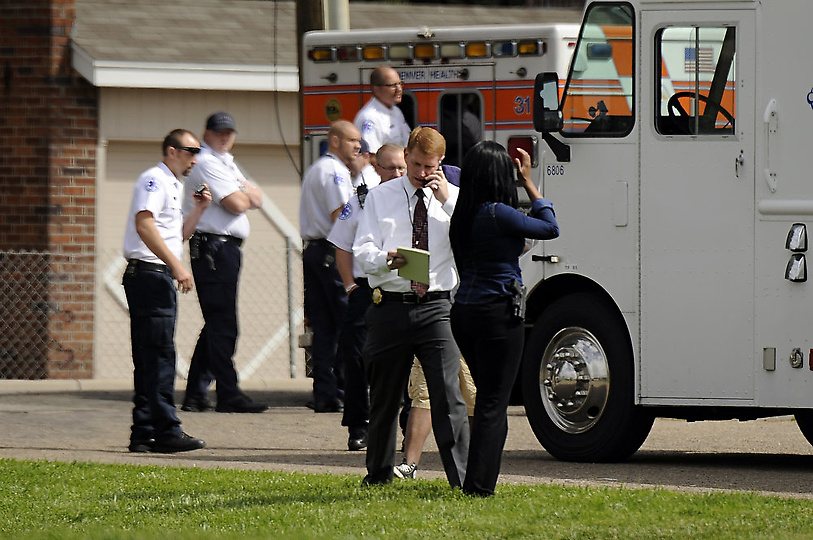
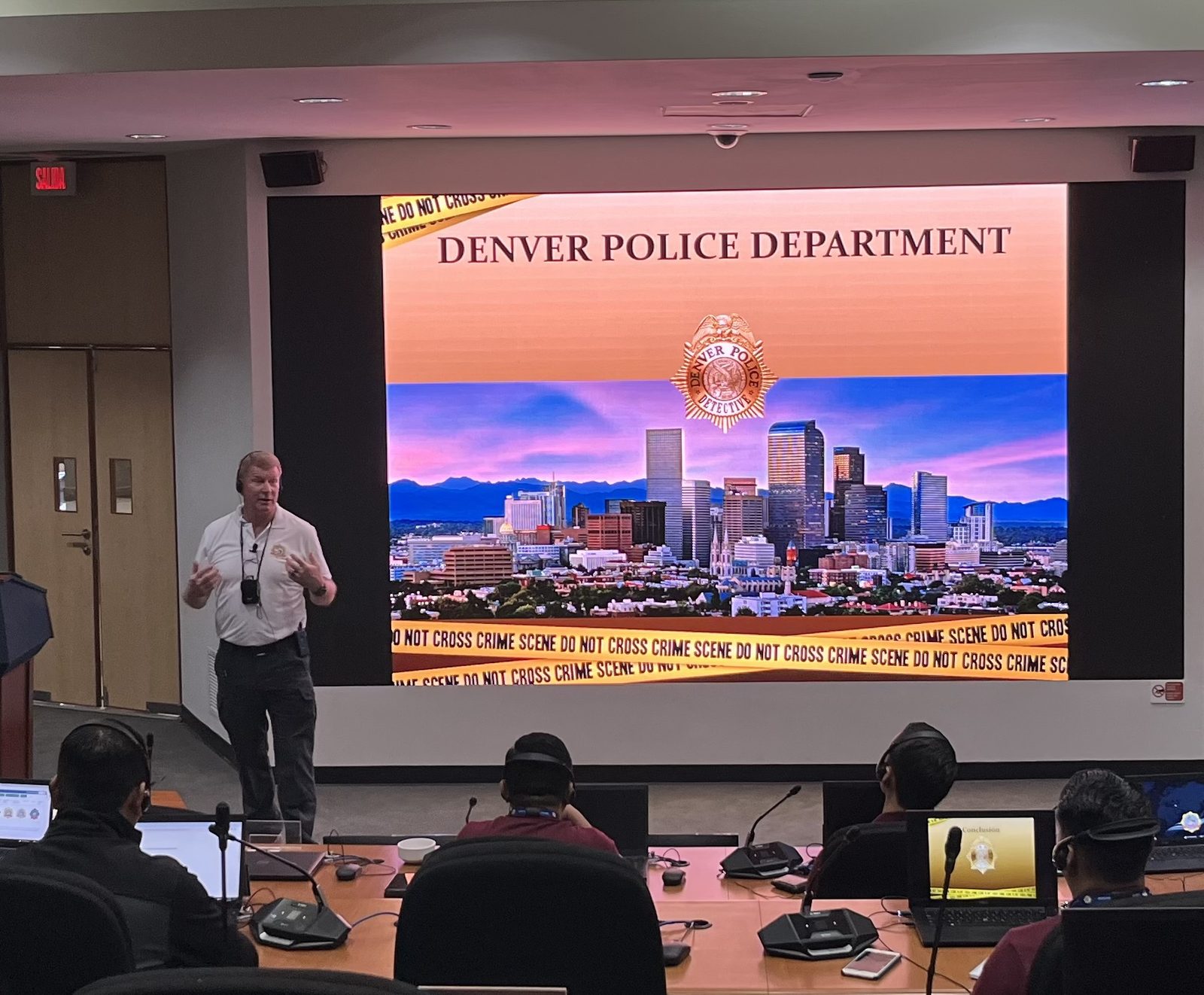
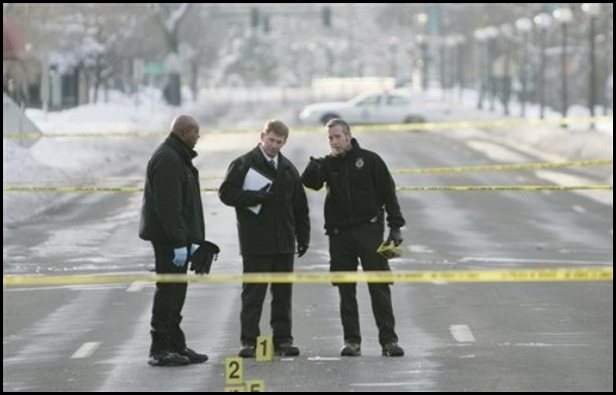
Section Six courses connect scene response, evidence recognition, interview strategy, and courtroom-ready documentation through practical instruction and real investigative experience.
Testimonials
Mark Crider is an instructor with extensive practical experience in homicide cases. His approach is logical, scientific, effective, and avoids professional errors. The knowledge from Mark's classes has helped me a great deal, from approaching cases to collecting samples, assessing situations, and effectively closing cases.
Mark Crider's homicide investigation training gave me a new way of understanding the mechanics of the event based on bloodstain analysis. His professionalism and ability to explain these topics demonstrate vast expertise and instructional excellence.
Mark Crider is an exceptional homicide detective, instructor, and person. He teaches concrete investigative techniques that will pay immediate dividends. I cannot say enough about how terrific his classes are.
Detective Crider is an extremely knowledgeable investigator and excellent trainer. His Child Death Investigation class was easily one of the best classes I have attended: well organized, relevant, and presented in an engaging manner.
Section 6 does not deal in just theory. It is built on decades of hard-earned experience from the front lines of homicide investigations. It will challenge you, sharpen you, and ultimately make you better at what you do.
The skills and techniques he teaches are practical and immediately applicable. His instruction has strengthened my ability to identify critical evidence and approach complex cases with greater confidence.
I can think of no better instructor to present training of this kind. You will leave his trainings much more prepared to bring your death investigations to a successful conclusion.
Mark is able to take his practical experiences of homicide investigations and effectively translate them into a classroom setting. Anyone who takes his classes would benefit immensely from his teachings.
Field And Classroom
Contact
For course scheduling, agency training, consulting, or custom instruction, contact Mark Crider directly.